
Dad and I have put a lot of time and effort into our Chardonnay over the years. Here’s how the 2025 Reserve came together, from the vineyard to the bottle.
In the vineyard
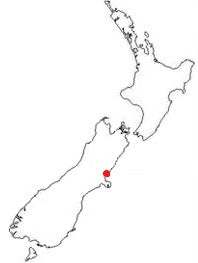
2025 was another special vintage in North Canterbury. Naturally low crops and a long, dry autumn gave us pristine fruit and a slow, unhurried ripening. Our Chardonnay block was cropped at just 7 tonnes per hectare and picked in early April at 23.5 Brix. The fruit came in with real concentration and purity.

In the winery
Every drop was fermented in French oak barriques. Once a week we stirred the lees, the fine yeast sediment that settles in the barrel. That stirring is called bâtonnage, and it’s what builds the wine’s creamy texture and toasty complexity.
We also let part of the wine go through malolactic fermentation, which softens the sharper malic acid into rounder lactic acid. Doing only part of it keeps some of the fresh acidity. The wine spent nine months in barrel, came out in January for stabilisation, and was bottled in February 2026.
In the glass
Ripe white nectarine and citrus, with layers of toasted oatmeal and brioche from that time on lees. The palate is rich and concentrated, with a plush, creamy texture that builds through the middle and carries into a long, generous finish.
It’s drinking beautifully now and has the richness and structure to keep developing for another four to five years. Serve it slightly chilled.
What to eat with it
I recently had it with pan-fried pork and chive dumplings, crispy on the bottom, with a splash of chilli oil. An unexpected but brilliant match, because the wine’s richness stands right up to that savoury spice. For something more classic, try it with a fresh poke bowl. The acidity cuts through the richness of the fish and sesame beautifully.
Technical: Alcohol 13.75% · pH 3.49 · Titratable acidity 5.64 g/L · Residual sugar 0.4 g/L
Order the 2025 Reserve Chardonnay.
Cheers,
Nicky
Sign up to our newsletter at the bottom of this page to hear about new releases first.